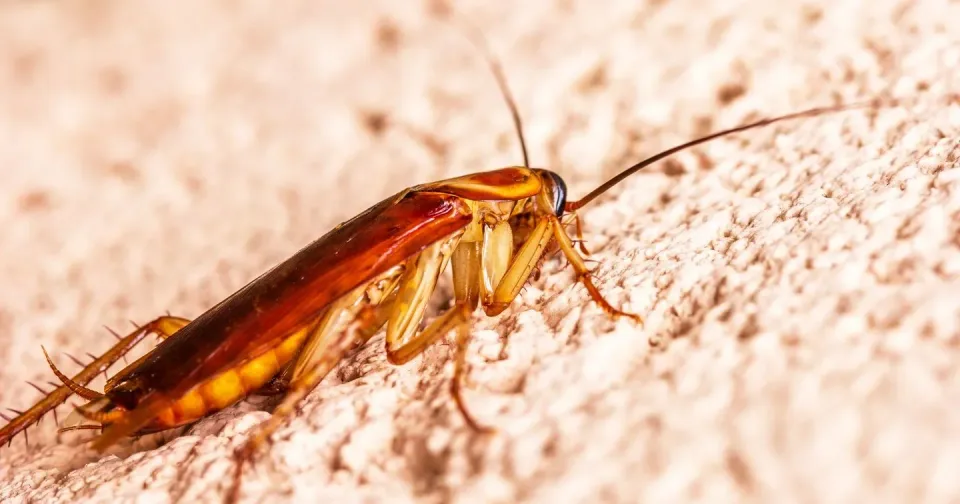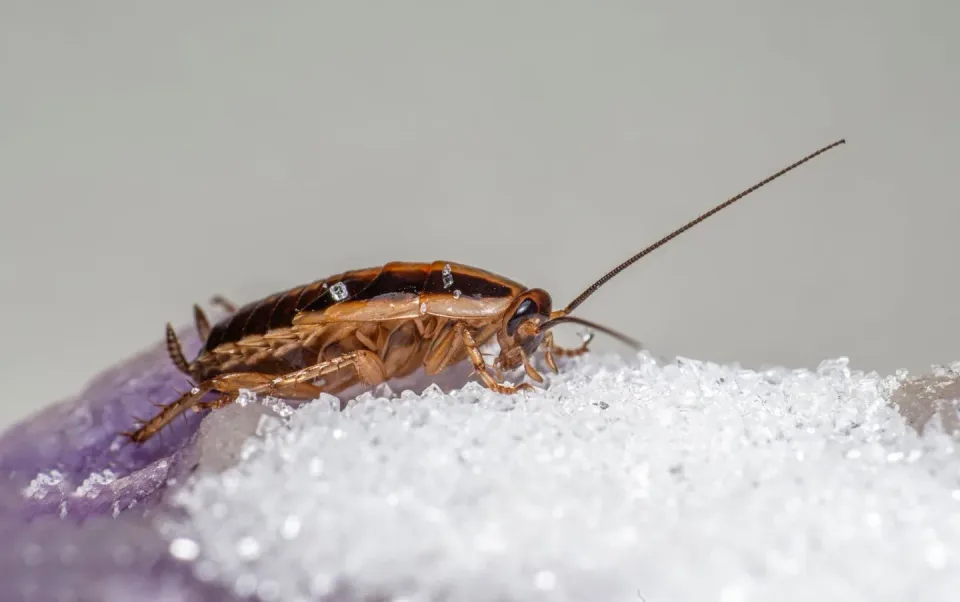
Why Do Cockroaches Gather by Kitchen Drains?
Cockroaches near a kitchen drain often point to dampness, food residue, or a sheltered route beneath the sink. Start by checking the cabinet, plumbing connections, and drain area for leaks or crumbs before using a spray.
-
Look for moisture: Check the trap, supply lines, and cabinet floor for drips that keep a hidden harborage damp.
-
Clean the drain rim: Remove grease and food residue that can draw insects to the sink.
-
Inspect nearby gaps: Seal openings around pipes only after checking whether activity continues through them.
Freeze-thaw cycles may open foundation cracks, giving pests another way into Nebraska homes; inspect the lower level if kitchen activity persists. Near Carhenge in Alliance, seasonal temperature swings make a careful check of plumbing and entry gaps useful.
Chimney Rock National Historic Site reminds us how varied Nebraska’s geography is, but kitchens everywhere benefit from the same first step: find the moisture source. We inspect before recommending treatment, and Nebraska Pest Pros can help identify the route and plan a targeted next step.
What does a cockroach by the drain tell you?
A roach beside the sink does not prove that it came through the drain itself. Check under the sink for damp wood, plumbing gaps, and food scraps first; those details can reveal a nearby harborage or an easy path from a wall void. Dry the cabinet and note where you see activity, especially after dark. One sighting still deserves attention.
Our inspection starts with pest identification and the conditions that support it, rather than a broad spray over every surface. Heavy rain may displace ants and other insects, and wet weather can change where pests seek shelter; after a storm, look for fresh activity around the kitchen and exterior access points.
That observation helps separate a short-lived visitor from a recurring indoor problem. For related seasonal pest signs, see our Nebraska Pest Pros Blog.
Could rain or a pipe gap be the cause?
Yes, either can contribute, but a cockroach appearing by the sink is not enough to identify its route. Check the cabinet back, where the supply lines enter, the drain connection, and the floor-wall seam.
Look for droppings, shed skins, or repeated sightings, and repair active leaks before treatment. Avoid spraying into plumbing or applying a product where food, dishes, or pets may contact it.
A useful comparison is activity over time: one isolated insect differs from repeated sightings in the same cabinet. If you live near Downtown Norfolk, rain-driven pest movement can make a quick inspection after wet weather worthwhile; the landmark is a local reference, not a cause of indoor roaches.
We record the location and conditions before selecting a control method. This keeps the response tied to the actual hiding place instead of only the visible insect.
When should you call a professional?
If roaches keep appearing after you clean and dry the area, or you find signs in more than one room, arrange an inspection. The technician should check behind and beneath appliances, trace plumbing access points, and look for harborage rather than treating only the open sink area. A targeted crack-and-crevice treatment may be appropriate after the pest and site are identified.
The Nebraska State Capitol in Lincoln is a reminder that buildings have different layouts; in a home, cabinet construction and utility openings also affect where pests hide. Around Island Oasis Water Park in Grand Island, seasonal outdoor activity may prompt homeowners to check doors and screens, but recurring kitchen sightings call for an indoor inspection.
We explain what we find, what treatment makes sense, and what preparation is needed. Read our guide to cockroaches appearing near kitchen drains for the first checks in one place.
What can you safely check yourself?
You can clean the sink area, dry the cabinet, fix a minor leak, and use a flashlight to inspect pipe openings. Keep food sealed and avoid mixing or layering pesticides; an unplanned spray can scatter pests or leave residues in a food-preparation area. Do not seal an opening until you know whether it is an active route and whether repair could affect plumbing access.
Call a pro when activity returns, spreads, or remains after the moisture and food source are corrected. We use inspection findings to choose a limited treatment area and explain label directions, including any reentry interval.
The Lewis and Clark National Historic Trail crosses a broad region, but our practical advice stays close to home: document where and when you see roaches. That record helps a technician narrow the inspection and avoid guesswork.
Drain Roach Checks Start With the Right Target
Choose an approach based on where activity appears and whether the problem is isolated or recurring. Nebraska’s continental climate brings cold winters and warm summers, so indoor pest pressure and seasonal activity can shift during the year.
| Option | Best for | Key detail |
|---|---|---|
| Sink and cabinet inspection | First sighting near a drain | Check leaks, residue, and pipe openings before treating. |
| Crack-and-crevice treatment | Confirmed harborages near plumbing | Directs product to a specific hiding place; follow label directions. |
| Monitoring trap | Tracking recurring activity | Place where children and pets cannot reach it; review catches. |
| Perimeter treatment | Identified exterior access route | Protects exterior areas; it does not replace indoor inspection. |
Hot summer weather increases insect activity, so repeat checks may matter during warmer months. If you visit Fort Robinson State Park, remember that outdoor conditions differ from a kitchen’s indoor moisture; address sink leaks directly. At Homestead National Historical Park in Beatrice, Nebraska history is on display, while at home the useful comparison is simple: inspect first, then match treatment to the source.
How Do You Check a Kitchen Drain for Roaches?
A cockroach appears beside the sink after dinner, and you are unsure whether to clean, spray, or call for help. Begin with inspection, not pesticide. Cold snaps can drive rodents indoors, so Nebraska homeowners may notice several kinds of indoor pest activity as temperatures change; do not assume every sighting has the same source.
-
Record the sighting: Note the time and exact spot, such as the drain rim or cabinet floor.
-
Secure the area: Put away food, dishes, and pet bowls before cleaning or any service visit.
-
Check for moisture: Look for drips at the trap and supply lines, then dry the cabinet.
-
Inspect pipe openings: Use a flashlight to check where plumbing enters the wall or floor.
-
Share treatment history: Tell the technician what products were used and where.
-
Follow the plan: Observe label-specific reentry directions and arrange a follow-up if inspection findings warrant it.
Rapid temperature changes can expose entry gaps, so note openings you find rather than sealing plumbing access blindly. Before heading to Lake McConaughy or Smith Falls State Park, make sure a recurring leak is addressed; ask the technician what to clear and what areas to leave accessible.
Get a Clear Plan for Drain-Side Roaches
Start with the cabinet and plumbing: clean away residue, look for leaks, and note whether roaches return. Repeated sightings or activity in more than one spot are good reasons to request an inspection. Thunderstorms and hail can damage screens and siding, so check those exterior openings when considering how pests may enter, too.
High winds can affect outdoor treatment scheduling, which is one reason we explain the inspection findings and practical next steps before setting a plan. Nebraska Pest Pros can inspect the kitchen and recommend a focused approach. Contact us at (855) 681-0299 or review our Cockroach Treatment service to decide on your next step.