What Does Scratching in Nebraska Attic Walls Mean?
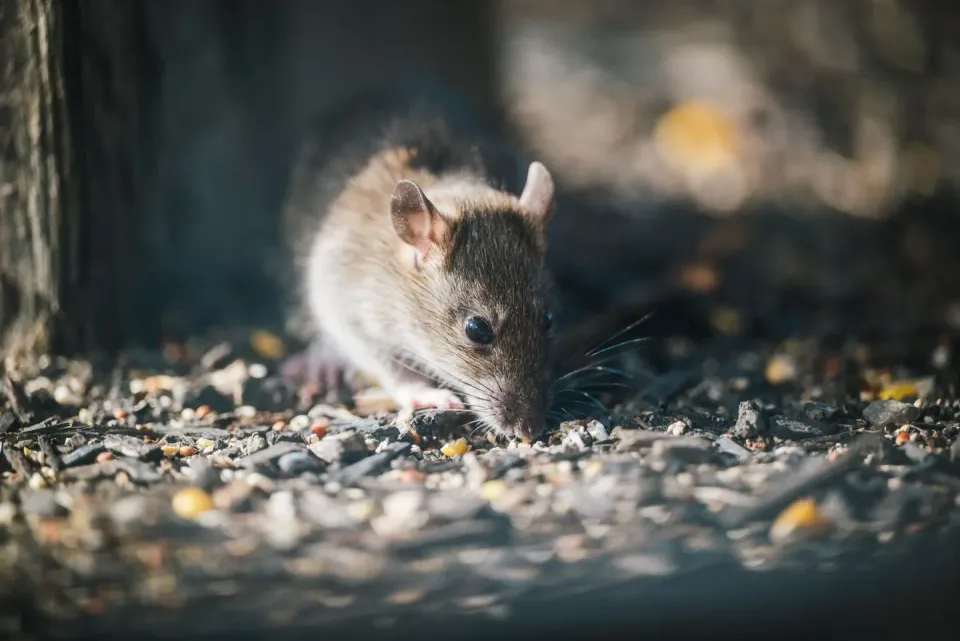
Scratching sounds inside attic walls often mean rodents are moving through a wall void or attic, but the noise alone cannot confirm the pest. Look for droppings, gnaw marks, or repeated activity before deciding what to do. Small clues matter.
-
Track the timing: Note whether sounds happen at night and which wall or ceiling carries them; that pattern helps narrow the inspection.
-
Check without reaching in: Use a flashlight from a safe position to look for droppings or damaged stored items, and avoid disturbing insulation.
-
Consider regional conditions: Dry western Nebraska differs from wetter eastern areas, so property surroundings and conditions can change where activity appears.
-
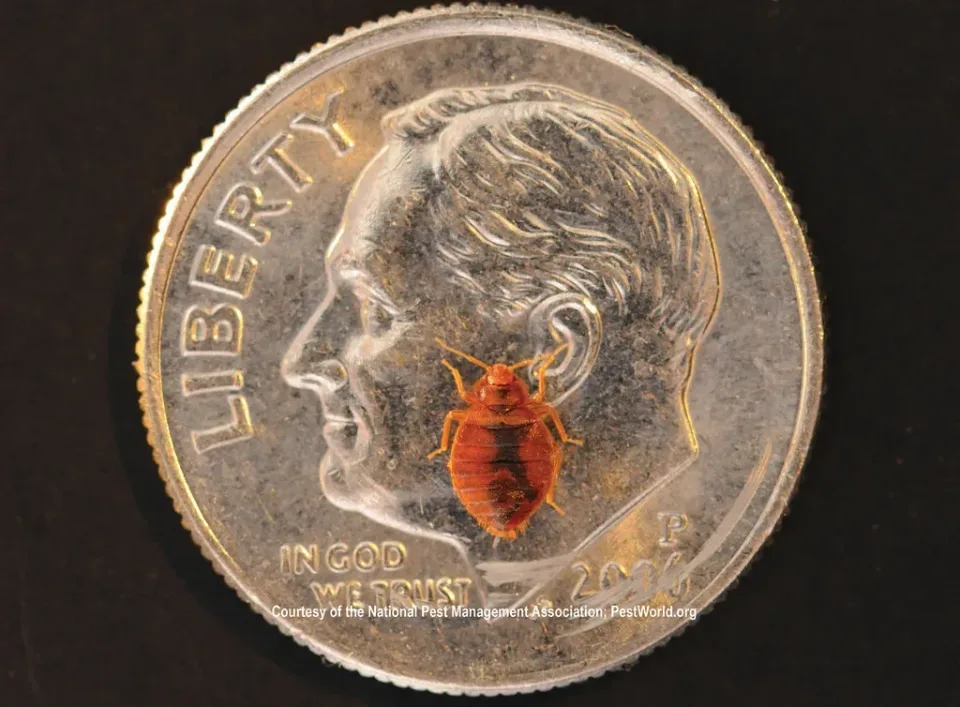
Explain the goal: A caller who wants an estimate for treating bed bugs in a rental needs an inspection scope before a useful quote; identifying the pest comes first.
What signs support the scratching sound?
Scratching can come from rodents, but also from settling materials or other animals. Check for droppings, gnawing, shredded nesting material, greasy rub marks, or a smell concentrated near the sound. Do not put a hand into a wall opening or move contaminated insulation; take photos from a safe distance instead.
Cold snaps can drive rodents indoors, so note whether the sound began as outdoor temperatures dropped. In eastern Nebraska, greater precipitation can also make exterior conditions and access points worth checking after wet weather.
We inspect the attic and the exterior together rather than treating the loudest spot as the whole problem. A single trap in the room may catch an animal without showing how it entered.
Could Lincoln weather be part of the problem?
Yes, seasonal conditions can help explain when rodents seek shelter, but weather alone does not prove an infestation. A home near the Nebraska State Capitol in Lincoln, for example, still needs its own inspection; the landmark is a location reference, not evidence of rodent activity.
Heavy rain may displace ants and other insects, which can lead to unrelated activity around a home. Keep the evidence distinct. A mouse dropping is not the same as insect debris, and confusing signs can lead to the wrong treatment.
When should you handle it yourself?
If the sound was brief and you find no droppings, damage, or repeat activity, you can monitor the location and record when it returns. Keep food sealed, avoid disturbing suspected nesting material, and do not place traps where children or pets can reach them. That is a reasonable first check.
Call a professional if scratching repeats, droppings appear, wiring or stored belongings show damage, or the noise comes from an inaccessible wall or attic. We inspect for activity and likely entry points before recommending control.
Nebraska Crossing Outlets in Gretna is a useful regional reference for customers traveling from nearby communities, but the property inspection not the drive determines the work. Nebraska National Forest near Halsey offers another familiar point of reference for people in central Nebraska.
What does an inspection and treatment plan involve?
We start by confirming the pest, locating activity, and checking likely access points. Then we explain whether trapping, exclusion, or both make sense for the evidence found. Rodent trapping addresses animals already inside; closing entry routes reduces the chance of new activity. Skipping the entry-point check is a common failure: catches may stop while the route remains open.
A practical plan may include monitoring and a follow-up inspection, based on what we find. We explain any preparation and product instructions before treatment, and we do not promise that one device solves every attic problem. For background on our local approach, see Nebraska Pest Pros or send inspection details through our contact page.
Which Attic Rodent Option Fits the Evidence?
Choose based on whether rodents are present, where they are moving, and whether an entry route can be found. These options address different parts of the problem.
| Option | Best for | Key detail |
|---|---|---|
| Monitoring trap | Confirming activity along a suspected route | Check placement and results during follow-up. |
| Rodent trapping | Capturing rodents already inside | Traps capture rodents; exclusion blocks entry. |
| Rodent exclusion | Closing identified access routes | Mouse gaps can be about 1/4 inch; rat gaps about 1/2 inch. |
| Tamper-resistant bait station | Controlled bait placement where appropriate | Compact housing needs ongoing inspection. |
Outdoor work may need rescheduling when high winds affect treatment conditions.
How to Prepare for an Attic Rodent Inspection
A clear inspection starts with safe access and useful observations. Nebraska’s continental climate brings cold winters and warm summers, so note when activity began and what changed around the home. Near Fort Robinson State Park, Homestead National Historical Park in Beatrice, or Pinnacle Bank Arena in Lincoln, the same preparation helps the technician focus on the property rather than guess from the season.
-
Schedule with details: Describe the sound, its location, how often it occurs, and when you first noticed it.
-
Share prior records: Tell the technician about earlier pest treatments and any recurring activity.
-
Provide access: Clear a safe path to the attic or crawlspace entrance without handling contaminated material.
-
Secure the home: Put food and pet bowls away and keep children and pets out of the inspection area.
-
Follow treatment directions: If treatment is recommended, observe product-specific reentry instructions and keep people away until the label permits return.
-
Plan follow-up: Arrange a check after the monitoring period when inspection findings call for one.
Hot summer weather increases insect activity, but it does not identify attic noises; the inspection must match signs to the pest.
When Should You Get Help With Attic Scratching?
Repeated scratching paired with droppings, gnaw marks, or damaged items is a good reason to arrange an inspection. A quiet night followed by no other evidence may call for careful monitoring first. Winter snowfall can block exterior pest-control access, so share any access limits when scheduling and ask what areas the crew can inspect safely.
Humid summer periods can support mosquitoes, but that separate seasonal concern does not explain scratching in an attic. Our crew can focus on the rodent signs, explain what we find, and discuss practical next steps without guessing from one sound. If the noise keeps returning, contact Nebraska Pest Pros at (855) 681-0299 or ask about Mouse Extermination.