When Do Roofline Wasps Need Safer Nest Removal?
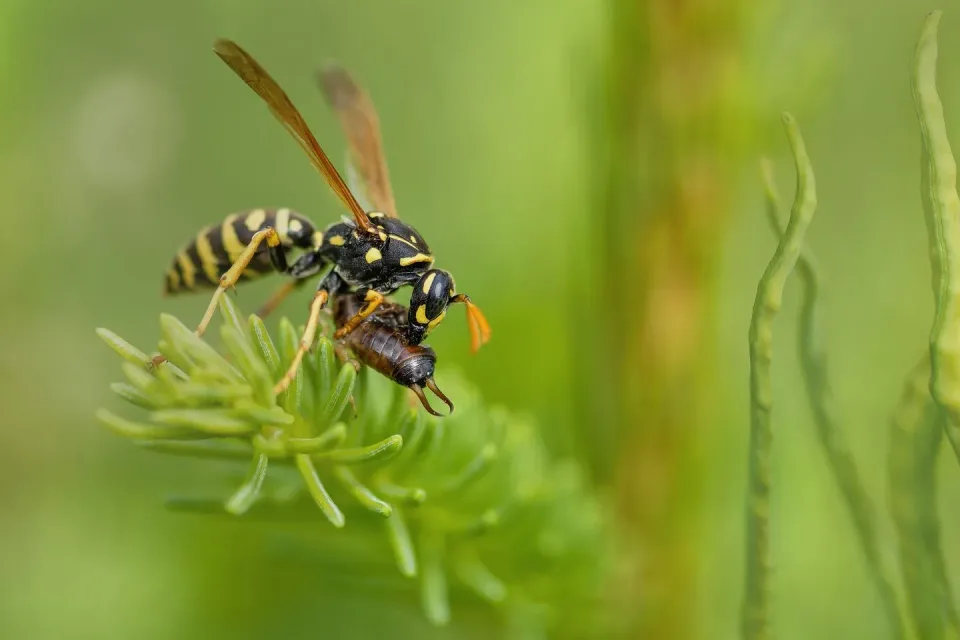
Wasps using a roofline gap may require professional nest removal when the nest is hidden, active, or close to a busy entrance. Don’t seal the opening or spray into it before the nest’s location and access route are understood. Rapid temperature changes can expose gaps around roof trim, so a small opening may become a recurring entry point as conditions shift.
That can disrupt a household and delay roof or siding work. We hear from customers who need the insects dealt with before construction can continue, as well as people asking for someone to come out and kill them.
Those are different needs: removal and exclusion may be needed, not just a quick knockdown. Our crew inspects the roofline first.
When is wasp removal safer than a DIY attempt?
Wasps entering through roofline gaps are a poor DIY target when the nest is concealed behind fascia, soffit, or roofing, or when insects react to activity near the opening. From the ground, you may see a flight path without seeing the nest itself.
Spraying into a gap can leave the colony active inside the structure and may send wasps through another opening. That is a costly failure mode: the activity continues, and the worker or homeowner may be exposed while trying to reach the source.
We start with pest identification and inspection, then decide whether nest removal is appropriate or whether another treatment and monitoring plan fits. Wasp removal means addressing the nest, not simply killing insects seen outside.
If the nest is exposed, low, and away from people, a homeowner may observe from a safe distance and keep others clear; don’t climb a ladder or disturb a hidden nest. In Nebraska’s dry western conditions, which differ from wetter eastern areas, roofline access and surrounding vegetation can affect how we inspect and plan the work.
We also serve customers around Downtown North Platte, where active work near entrances can make a concealed nest especially disruptive.
What roofline clues call for an inspection?
Repeated wasp traffic disappearing beneath a roof edge is a reason to arrange an inspection rather than close the gap immediately. Note where insects enter, when activity is strongest, and whether the route is near a doorway or work area.
Keep people away from that section of the building. A visible opening does not prove the nest sits directly behind it; wasps can travel through a void before settling in another sheltered spot.
The Agate Fossil Beds National Monument is a reminder that Nebraska homes and outbuildings sit in varied settings; the same careful exterior check matters whether a property is urban, rural, or near open land. Ashfall Fossil Beds State Historical Park provides another distinct Nebraska reference, but the practical takeaway is about the building: don’t assume a roof gap is harmless because you see only occasional traffic. We trace the entry route, inspect accessible trim and eaves, and explain what we can confirm before recommending treatment.
Should you seal the gap before treatment?
No don’t seal an active entry point until the nest and wasp movement have been assessed. Blocking the visible route too early can leave insects inside a wall or roof cavity, where they may find another way out.
That can shift activity indoors or make later access more difficult. Keep the area undisturbed and tell the technician about recent repairs, sprays, or changes in insect traffic.
In eastern Nebraska, where precipitation is generally greater than in the west, roof and exterior conditions can differ by site; inspection should account for the actual trim, moisture exposure, and access. We explain the treatment plan and any follow-up before work begins.
What should homeowners expect from professional service?
A useful visit begins with identifying the insect and locating the nest or likely harborage, not applying product at every roof edge. We consider access, nearby people, and the route wasps use, then select a treatment consistent with the product label. If safe removal is possible, the plan can address the nest directly; if the structure limits access, we explain the alternative and what monitoring or follow-up may be appropriate.
Our Nebraska-licensed pesticide applicators inspect before applying and explain what to expect afterward. We share product-specific directions, including any reentry interval that applies, and discuss the next step for the gap once treatment is appropriate.
For broader pest questions, read more from Nebraska Pest Pros. If the concern is specifically an active nest, our Wasp Nest Removal service can help you arrange an inspection and a clear plan.
Which Wasp Roofline Treatment Option Fits?
The right approach depends on whether activity is confined to an exposed nest or hidden behind roof materials. A written treatment and reentry plan helps everyone know what to expect. Choose based on the inspection, not guesswork.
| Option | Best for | Key detail |
|---|---|---|
| Observation from a safe distance | Occasional traffic with no immediate exposure | Note the entry route; do not disturb the nest. |
| Professional nest removal | A located, accessible nest | The technician assesses access and explains the plan first. |
| Targeted treatment | Activity in a concealed roofline void | Product choice and follow-up depend on inspection findings. |
| Gap repair after treatment | A confirmed entry point after activity is addressed | Timing matters; sealing too soon can trap active wasps. |
Before work starts, ask for written treatment and reentry instructions, then follow the product-specific directions.
How to Prepare for Roofline Wasp Removal
A little preparation helps the inspection stay focused and keeps household members away from the active entry area. Freeze-thaw cycles may open foundation cracks, so mention other new exterior gaps during the visit rather than assuming they relate to wasps. Keep it simple.
-
Describe the activity: Tell the scheduler where wasps enter, how often you see them, and whether roof or siding work is underway.
-
Keep clear: Move children, pets, and visitors away from the suspected nest and the area below it.
-
Avoid disturbance: Do not plug the opening, spray into it, or climb to inspect the roof yourself.
-
Provide access: Explain how the technician can safely reach the relevant exterior area and disclose any access restrictions.
-
Share prior work: Report any pesticide use or recent repair attempts so the crew can account for them during inspection.
-
Follow directions: After service, observe the product-specific reentry instructions and ask when follow-up is warranted.
Should I Call Nebraska Pest Pros About Roofline Wasps?
If wasps repeatedly enter beneath the roof edge, avoid sealing or spraying the gap until the nest is located. A clear inspection can tell you whether removal, targeted treatment, or a later repair makes sense.
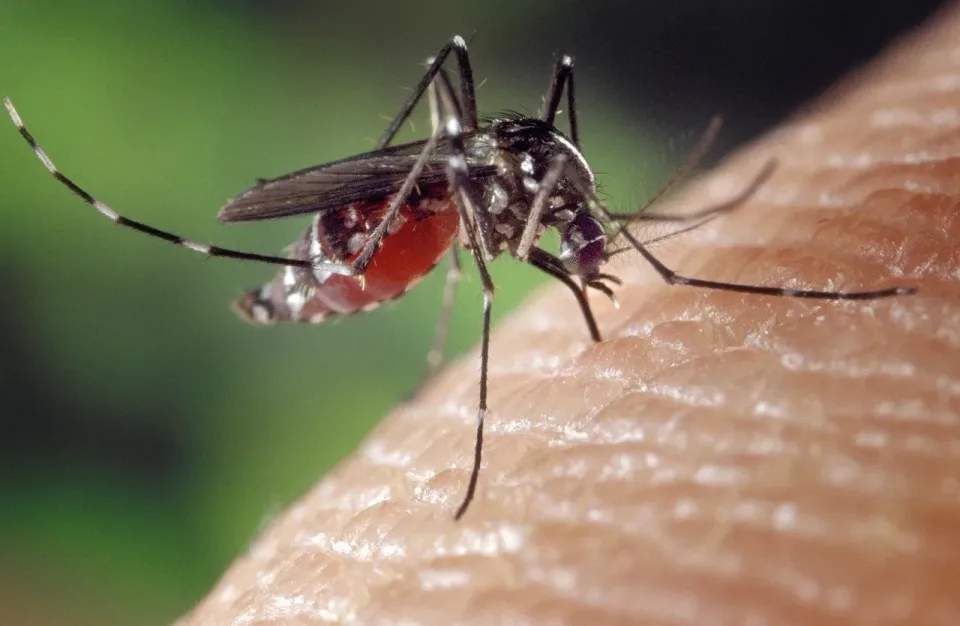
Humid summer periods can support mosquitoes, so customers may notice more than one kind of outdoor insect around the property; report each concern separately so the plan addresses the right pest. Severe thunderstorms during warmer months can also affect exterior access, making safe scheduling part of the job.
We’ll explain what we find and what to do next. For an inspection and a practical plan, contact Nebraska Pest Pros or learn about Wasp Nest Removal. Call (855) 681-0299.